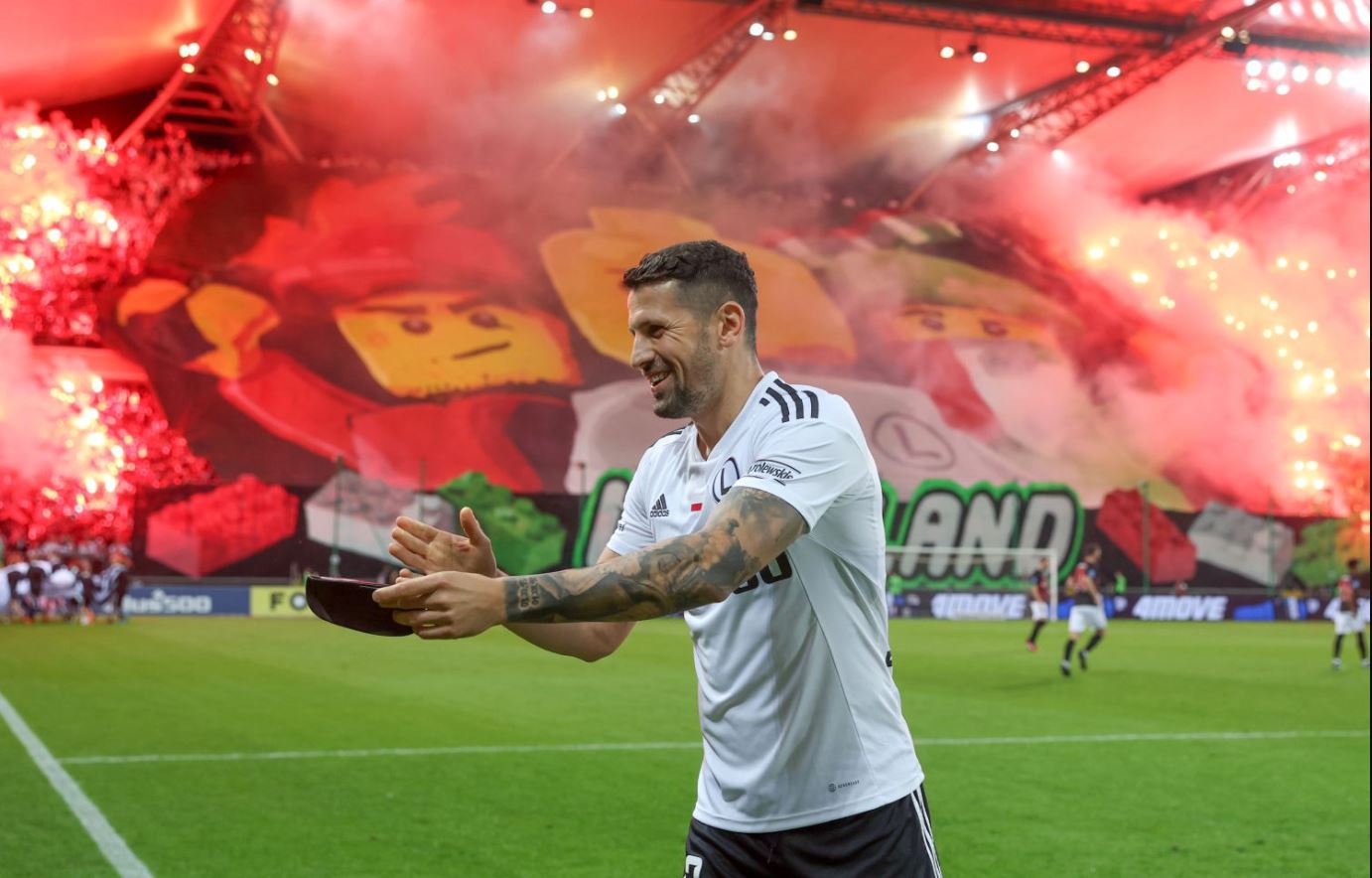
Everything I am, I owe to this club—money won’t buy my devotion, declared Paweł Wszołek in response to a rich offer from Serie A heavyweights to remain at Legia Warsaw. Fans commend his passionate commitment and everlasting dedication to Legia Warsaw.
By making a choice that is becoming more and more uncommon in contemporary football, Paweł Wszołek has once again earned the hearts of Legia Warszawa supporters. The seasoned Polish winger declined a lucrative offer from Serie A powerhouses, opting instead to remain with the capital club and strengthen his emotional bond with Legia. He said, “Everything I am, I owe to this club.” “Money can’t buy my allegiance” swiftly gained popularity and began to represent loyalty in a sport that is frequently dominated by wealthy individuals.

There was no doubt that the Italian proposal was an alluring possibility. One of the most prominent leagues in Europe, Serie A still offers significant earnings, international recognition, and the chance to compete at the top continental level. Accepting such an offer would be an obvious choice for many participants. Wszołek, however, made the decision based on principles that go beyond money.
Wszołek has developed a close bond with the team, the city, and the supporters since joining Legia Warsaw. The player continued to be a symbol of devotion and hard work on the field during both successful and challenging times. He is one of the team’s most respected faces because of his work ethic, passion for competition, and connection to the insignia. For many supporters, Wszołek’s rejection of Serie A was proof that he views Legia as a home rather than just a contract.
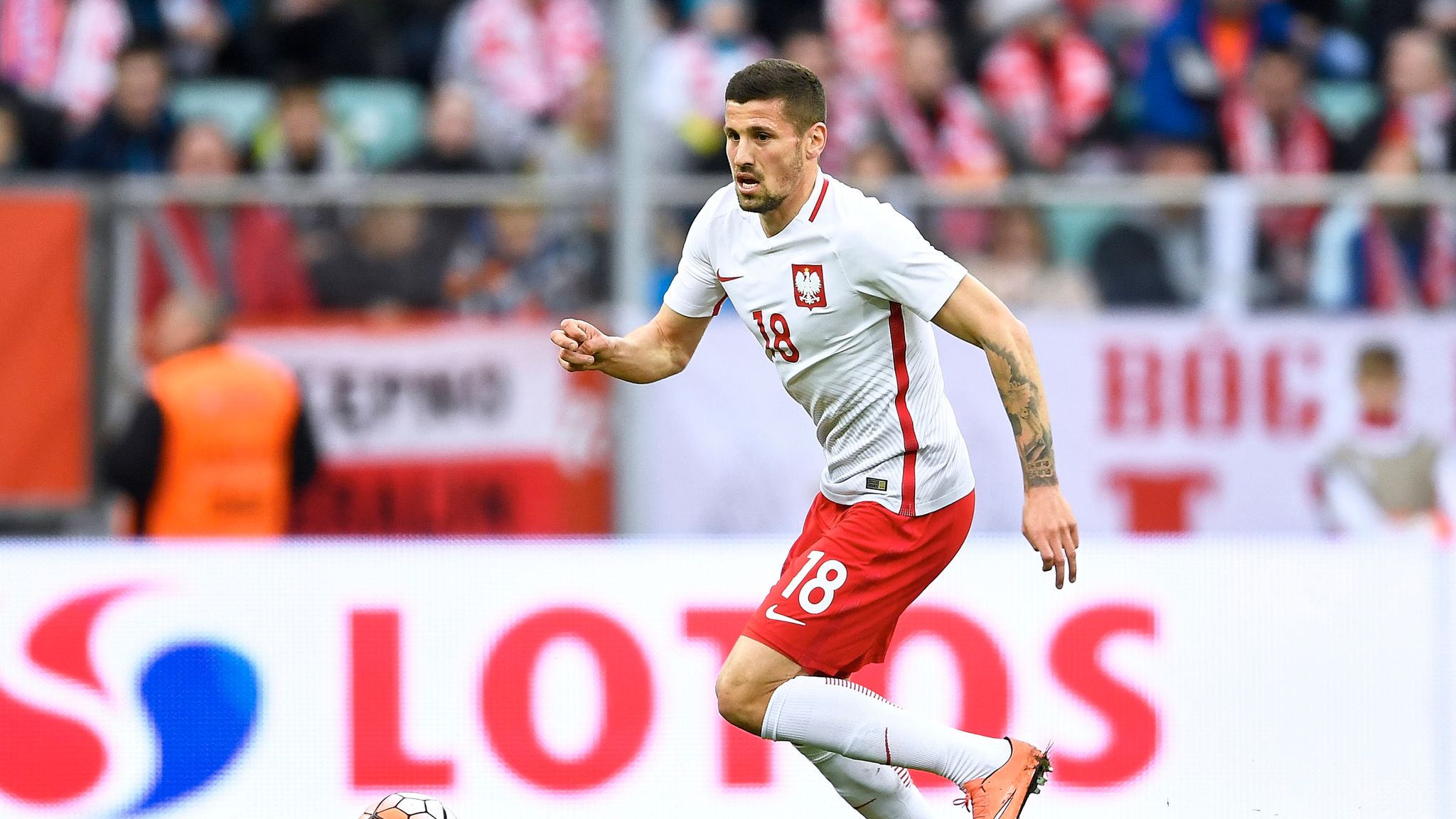
The fans’ response was intense and instantaneous. Thousands of people complimented the player’s choice on social media, calling it “an act of love for the club” and “an uncommon example in today’s sport.” Wszołek’s position was viewed as a potent reminder that loyalty and individuality still matter in a world where pay and bonuses frequently determine transfers.
Wszołek’s stay is a major win for Legia Warsaw from a sporting standpoint. He is a significant part of the club’s project because of his global experience, leadership in the locker room, and capacity to impact crucial games. Maintaining a player of this reputation guarantees stability and consistency for the coaching staff, particularly at a time when Legia wants to express itself more forcefully in European competitions and restore domestic dominance.

The choice also sends a clear message to the young players in the academy and the rest of the team. Wszołek shows that a strong career can be developed without compromising moral values. His example upholds the club’s ethos, which is built on commitment, reverence for the uniform, and a deep bond with the supporters. It is also a symbolic victory for the Legia management, demonstrating that the team can still hold onto key players in spite of financial competition from wealthier leagues.
Furthermore, Wszołek’s decision rekindles the discussion regarding what success in football really means. Is it only the greater income or the more prominent title? Or the legacy left at a historic club, the acknowledgement from the supporters, and the feeling of community? The answer seems obvious to Wszołek.
Ultimately, turning down the Serie A offer is more than just a contractual choice; it’s a move that will go down in Legia Warsaw’s recent history. Paweł Wszołek demonstrated that loyalty may still prevail over money in contemporary sport by putting words into practice. He is more than simply a player to the Legia supporters; he is a live representation of the team.